California's 2035 ICE Phase-Out: A 2026 Mid-Decade Status Report on EV Charging Infrastructure
California's Advanced Clean Cars II rule sets a schedule for automakers to ramp zero-emission vehicles toward 100% of new light-duty sales by model year 2035, with rising interim targets along the way. Roughly a decade out from that deadline, the halfway-point question is less about whether EVs will sell and more about whether public and private charging can keep pace with the vehicles already on the road.
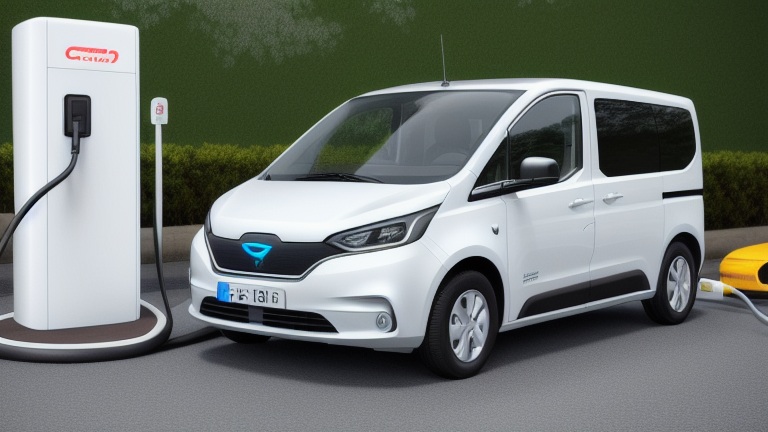
The build-out is real but uneven. Nationally, the U.S. public network passed 250,000 charging ports in 2026, and California continues to host the largest share of any state — yet coverage is concentrated in dense metro corridors, leaving rural stretches, older multifamily housing, and curbside parkers comparatively underserved. Reliability and uptime, not just port counts, remain a recurring theme in federal and industry reviews of the network.
That gap between headline totals and everyday access is the opening on-demand services aim to fill: bringing energy to drivers who lack home charging or a convenient nearby station. The trajectory points toward more EVs and more chargers, but the mid-decade picture is a network still catching up to the mandate rather than comfortably ahead of it.
Sources: California Air Resources Board — Advanced Clean Cars II; U.S. DOE Alternative Fuels Data Center